




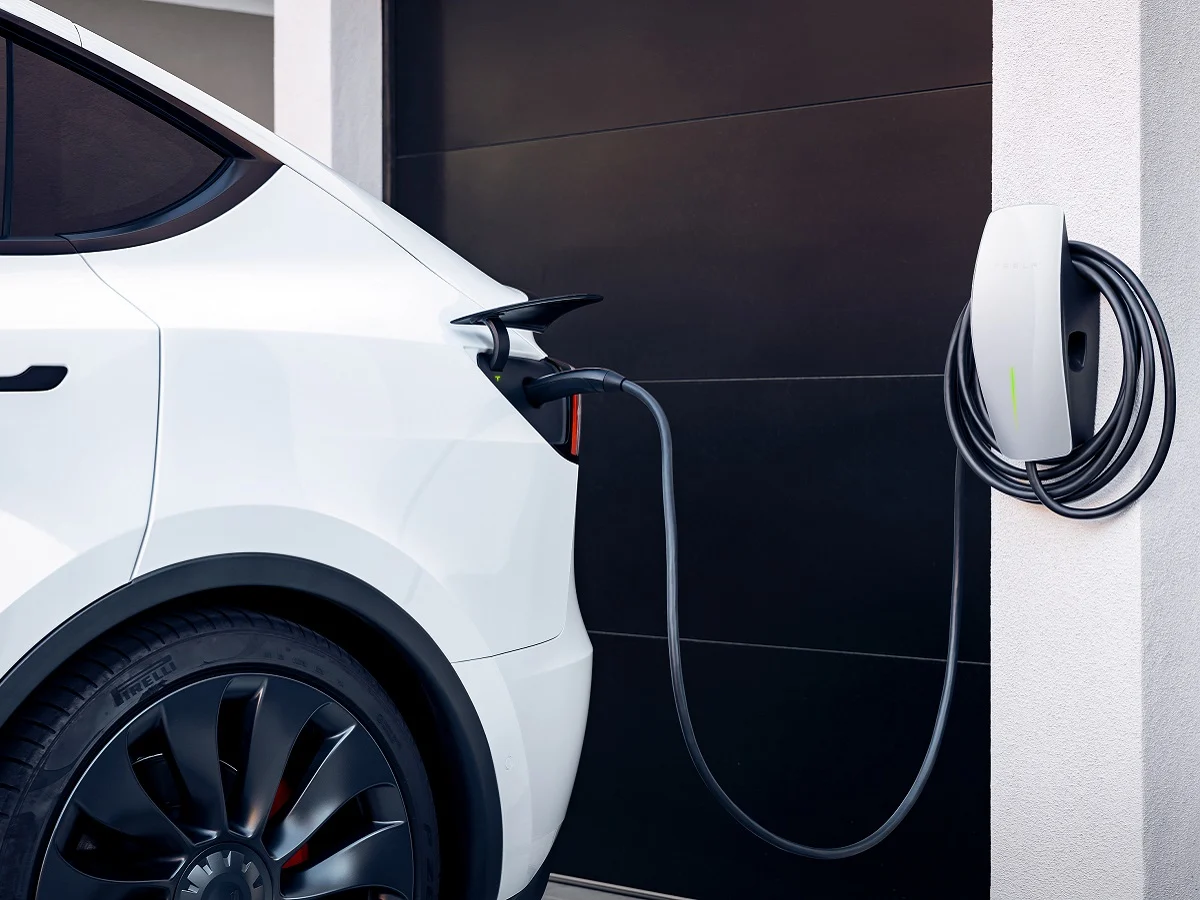
As the popularity of electric vehicles (EVs) continues to grow, many drivers are exploring the benefits of charging their vehicles at home. However, selecting the right home charger can be daunting due to the variety of options available. The article outlines the four primary considerations that EV drivers prioritize when purchasing a home charging station: energy efficiency, ease of use, warranty and service, and insights into charging behavior.
Energy efficiency is a crucial factor for 65% of EV drivers when choosing a home charger. This concern is amplified by rising energy costs and the need for cost-effective solutions. Drivers are increasingly looking for chargers that not only minimize energy consumption but also incorporate smart charging features. These features enable users to monitor their energy use and manage charging times to take advantage of lower electricity rates, ultimately saving money.
Ease of use ranks as the second most important consideration, with 54% of drivers emphasizing this aspect. Transitioning to electric vehicles can be intimidating, especially for those accustomed to traditional gas stations. A user-friendly charger can greatly enhance the experience. Many modern chargers feature intuitive designs, such as LED indicators that clearly show the charging status. Additionally, connected chargers often come with smartphone apps, allowing users to control and monitor their charging sessions remotely, further simplifying the process.
Given that EV home chargers represent a significant investment, 47% of drivers prioritize long warranties when making their purchase. Many manufacturers offer standard warranties, but extended warranties and maintenance services can provide peace of mind. These additional services, although potentially more costly, can ensure the longevity and reliability of the charging station. Connected chargers benefit from software updates and remote servicing capabilities, which can diagnose issues and perform maintenance without requiring an in-person visit.
The ability to gain insights into charging behavior is often overlooked, yet it is a vital consideration for 42% of drivers. Access to real-time data regarding charging costs and energy consumption allows users to make informed decisions about their charging habits. This information can help drivers optimize their energy use, identify cost-saving opportunities, and adjust their charging schedules based on electricity prices.
Choosing the right EV home charger involves understanding personal priorities and the specific needs of the electric vehicle. The best charger is not necessarily the fastest or most advanced but should align with the user's lifestyle and charging requirements. The article encourages potential buyers to consider these four key factors—energy efficiency, ease of use, warranty and service, and insights into charging behavior—when evaluating their options. By doing so, they can make a more informed decision that enhances their electric vehicle experience.
For those unsure about what type of charger suits their needs, EVBox offers tools and guides to help navigate the selection process, ensuring drivers can find the best solution for their electric vehicle charging needs.

WiFi Enabled 48A EV Charger
Up to 9x faster charging speed for efficient EV charging.


