
Best Kick Scooters (Updated October 2026)
Let Best Guide assist you in discovering the finest Kick Scooters solutions available on
the market.
Our comprehensive selection features expertly rated options that have been thoroughly evaluated
to meet your needs.




Kick Scooters Buyer's Guide
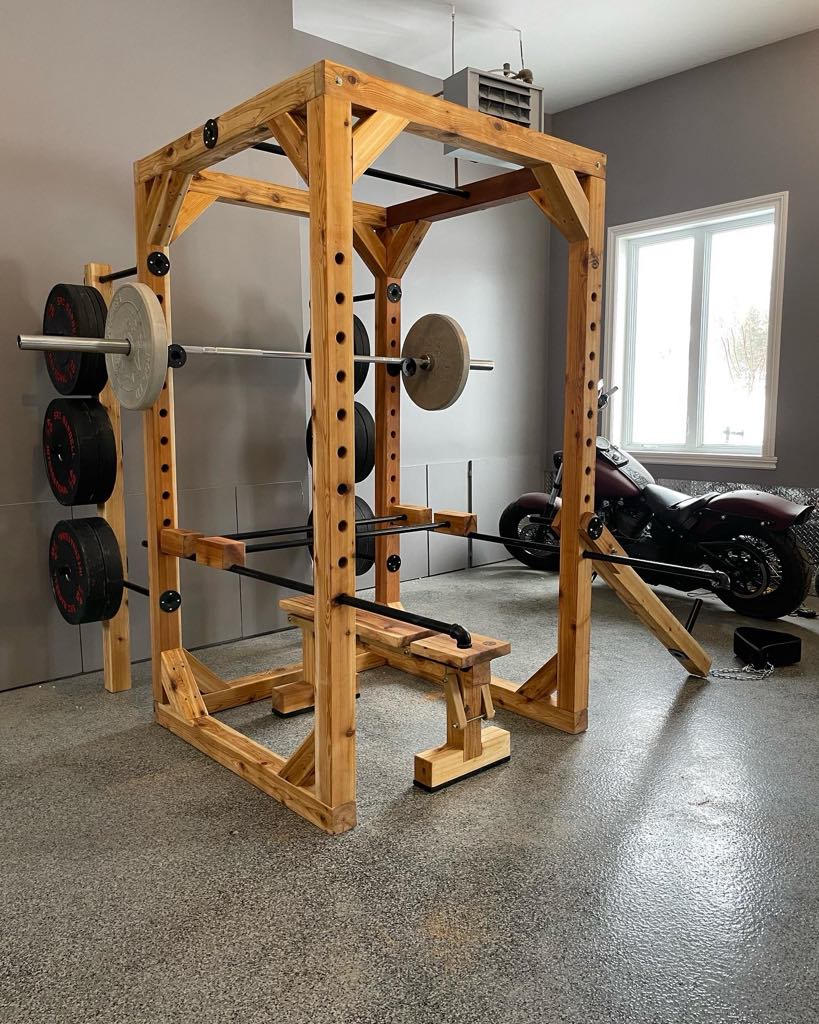
Types of Power Racks:
- Power Rack: Known as the cornerstone of home gyms, it features a solid four-post design capable of withstanding heavy lifting. It includes adjustable safety bars for protection during solo workouts and offers a wide range of exercise options like squats, bench presses, and pull-ups.
- Half Rack: Ideal for limited spaces, this type has two uprights and provides the essential benefits of a power rack while saving floor space. It often includes integrated storage for weights.
- Folding Rack: Perfect for those with minimal space, this rack mounts to a wall and folds away when not in use, allowing for quick setup and takedown.
- Squat Stand: A more straightforward option with two uprights, it is compact and focuses on essential barbell exercises. It's lightweight and portable, making it easy to move or store.
- Combo Rack: This hybrid offers the structural integrity of a power rack along with the space-saving benefits of a squat stand. It is versatile and customizable, making it suitable for various workouts.
How to Choose the Right Rack:
- Assess Your Space: Measure the area where the rack will be placed. Consider the height, width, and depth to ensure you have adequate clearance for exercises and movement. Define Your Workouts: Analyze your training style. If you plan to do heavy lifting with various exercises, a power or combo rack is ideal. For more focused training, a squat stand may suffice.
- Think Long-Term: Consider your future training goals. Choose a rack that can grow with you and accommodate evolving workout routines.
Space and Dimension Considerations:
- Overall Footprint: Ensure there's enough room around the rack for safe movement, including space for a loaded barbell.
- Depth: Aim for a depth of 24"-30" for optimal training space.
- Height: Match the rack height to your ceiling; common heights are 72" or more. Width: Ensure the rack width fits your standard barbell, typically around 47"-53".
Assessing Build Quality:
- Steel Gauge: Look for racks made from thicker steel (11 or 12 gauge) for durability. While 14 gauge may be acceptable for beginners, investing in a sturdier rack is advisable for long-term use.
- Tubing Size: Larger tubing (2"x3" or 3"x3") provides better stability and weight capacity.
- Brand Reputation: Research brands known for their quality and customer support to ensure a reliable purchase.
Safety and Stability:
- Weight Capacity: Choose a rack that can safely support more than your heaviest lifts. A minimum of 1,000 lbs is recommended.
- Safety Features: Look for solid safety bars or straps to catch the bar if a lift fails. Ensure the rack is stable and doesn't wobble during use.
Rack Features:
- Hole Numbering and Spacing: Clear numbering and 1" or 5/8" hole sizes allow for quick adjustments. Closer hole spacing enhances safety and precision.
- Finish Options: A durable finish protects against rust and wear; powder-coated finishes are preferred for their longevity.
- Accessories: Consider any additional attachments like dip bars or landmine attachments to expand workout options.
Financial Aspects:
- Budget: Set a realistic budget considering both quality and affordability.
- Warranty: Look for a solid warranty, ideally a lifetime on the frame, which indicates the company's confidence in their product.
- Shipping Costs: Be aware of potential shipping fees, as heavy equipment can lead to significant additional costs.
- Return Policy: Familiarize yourself with the return policy to ensure you can return the rack if it doesn't meet your expectations.
Benefits of Buying a Rack:
- Versatility: Power racks accommodate a variety of exercises, making them a multifunctional addition to your gym.
- Convenience: Having a power rack at home eliminates the need to commute to a gym, allowing for more consistent workouts.
- Safety: Safety features built into racks reduce injury risk during solo workouts.
- Independence: Racks allow for training without a spotter, giving you the freedom to lift at your own pace.
- Economic Efficiency: Investing in a power rack can be more cost-effective than purchasing multiple pieces of equipment.
- Rogue Fitness: Known for high-quality options like the RML-390F Monster Lite Rack.
- REP Fitness: Offers models like the REP PR-5000 V2 for premium quality and the PR-4000 for value.
- Titan Fitness: Affordable options like the T-3 Series Power Rack.
- Amazon Options: Recommendations for popular choices available on Amazon.
Recommended Racks:
-
The article lists several top-rated racks from reputable brands, including:
Conclusion:
Choosing the right power rack is crucial for building an effective and safe home gym. By considering factors like space, build quality, safety features, and financial aspects, you can select a rack that meets your training needs and supports your long-term fitness goals. The article encourages careful evaluation to find a durable and versatile rack that enhances workout efficiency and safety.

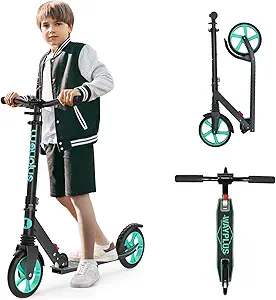
Kids' Lightweight Foldable Scooter
10
Lightweight, durable aluminum construction


